Multi-story homes run 4 to 8 degrees warmer upstairs than on the main floor, and a single-zone furnace or AC can't fix that gap no matter how high you crank the thermostat. Best overall: variable-speed central system with zoned dampers. Best for retrofitting a home without adequate ductwork: ductless mini-split multi-zone system. Best budget option: smart zoning control retrofit.
- Variable-speed central systems with zoned dampers are the best zoned HVAC systems for multi-story homes with existing ductwork in 2026.
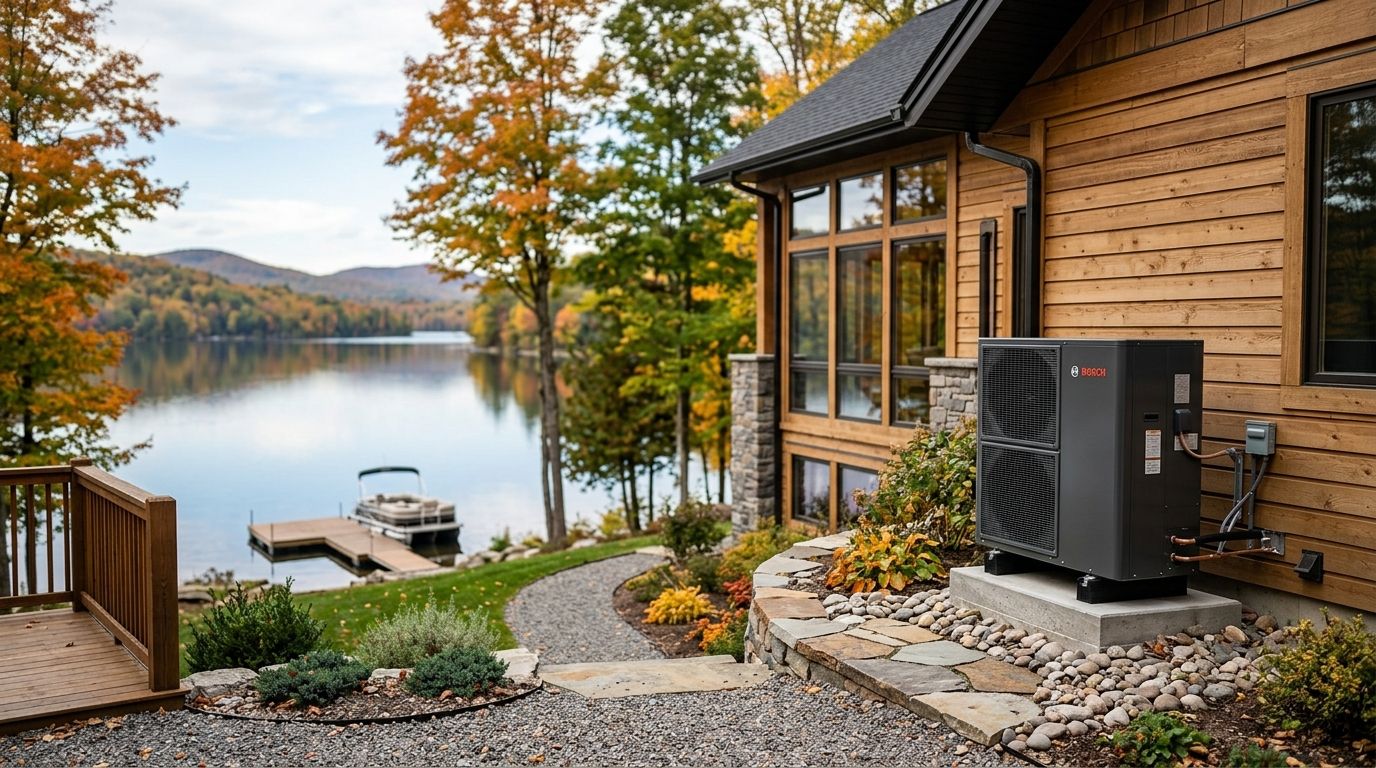
- Ductless mini-split multi-zone systems solve the no-ductwork problem for additions, bonus rooms, and finished basements.
- Smart zoning retrofits add per-floor control to an existing single-zone furnace or AC without replacing the equipment.
- Zoned heat pump systems handle mixed heating and cooling loads between floors in Missouri's swing seasons.
- Dual-fuel zoned systems fit older multi-story homes with drafty upper floors and inconsistent Missouri winters.
Why this matters
A multi-story home with one thermostat is guessing. Heat rises, upper floors bake in summer, and the main floor overcools trying to compensate — that's the core complaint behind every zoned HVAC search in 2026. West Heating & Cooling sees this constantly across Camdenton, Osage Beach, Lake Ozark, Warsaw, and Lebanon: two-story lake homes with a single system straining to hold one temperature across three levels including a walkout basement.
Zoning isn't one product — it's a system design decision, and the right one depends on whether you have ductwork already, how old the home is, and whether the problem is heating, cooling, or both. That's what this ranking sorts out.
What makes the best zoned HVAC system
- Independent temperature control per floor or zone, not just per room
- Compatibility with existing ductwork (or a clean no-duct install path)
- Variable-speed or multi-stage equipment that can modulate output instead of just on/off cycling
- Smart thermostat integration for scheduling and remote zone adjustment
- Load matching — the system sizes correctly to each zone instead of one blended average
- Serviceability — parts and local technicians available for repair and maintenance in 2026 and beyond
Zoned HVAC systems at a glance
| System | Best for | Standout feature | Key limitation |
|---|---|---|---|
| Variable-speed central + zoned dampers | Whole-home comfort with existing ductwork | Modulates airflow per zone automatically | Requires compatible ductwork layout |
| Ductless mini-split multi-zone | Retrofits without adequate ductwork | No ducts needed, zone-by-zone install | Indoor units are visible on walls or ceilings |
| Smart zoning control retrofit | Adding zoning to an existing single-zone system | Works with the furnace/AC you already own | Doesn't fix an undersized system |
| Zoned heat pump system | Mixed heating and cooling loads by floor | One system handles both seasons per zone | Needs backup heat in extreme cold without dual-fuel |
| Dual-fuel zoned system | Older homes with drafty upper floors | Switches fuel source automatically by temperature | Higher equipment complexity to maintain |
1. Variable-speed central system with zoned dampers: best for whole-home comfort
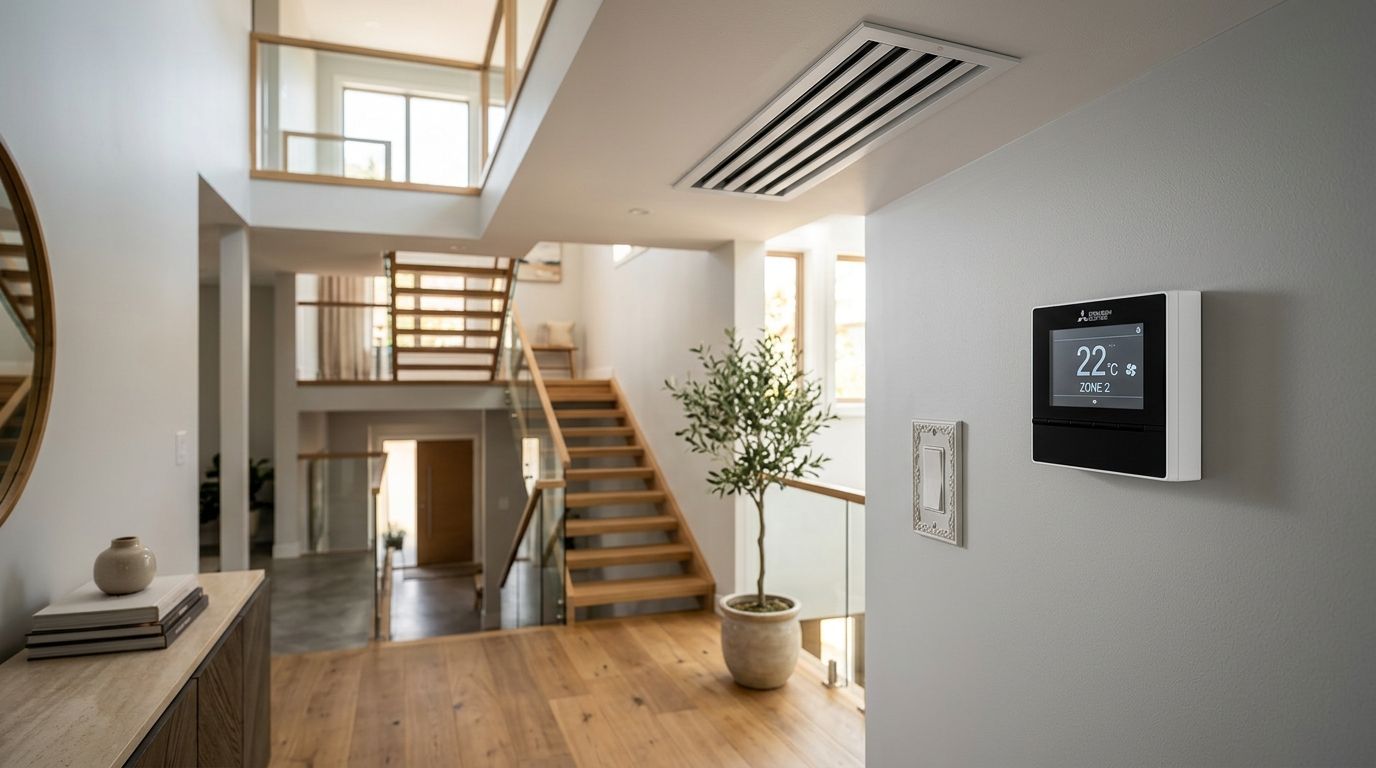
This setup pairs a variable-speed furnace or air handler with motorized dampers in the ductwork and a zone control panel that reads multiple thermostats. Each zone gets exactly the airflow it needs instead of one blended average pushed through the whole house. It's the closest thing to a true whole-home solution when the ductwork is already in decent shape.
Variable-speed zoned system pros:
- Handles 2-6 zones off a single piece of equipment
- Variable-speed blower reduces noise and short-cycling
- Works with most existing duct trunks with damper additions
Variable-speed zoned system cons:
- Ductwork has to be inspected and sometimes modified before dampers go in
- Zone panel adds a component that needs occasional service
Best for: homes with existing ductwork and persistent floor-to-floor imbalance. Verdict: Buy if your ducts are sized right; get a load calculation first if they're not.
2. Ductless mini-split multi-zone system: best for retrofits without ductwork
A multi-zone ductless mini-split system runs one outdoor condenser to several indoor wall or ceiling units, each with its own thermostat. No ductwork required, which makes it the go-to for finished basements, bonus rooms over garages, and additions that were never on the original duct plan.
Mini-split multi-zone pros:
- Zero ductwork needed — ideal for additions and finished lower levels
- Each indoor unit is independently controlled
- Efficient for problem rooms that a central system can't reach evenly
Mini-split multi-zone cons:
- Indoor units are visible and need wall or ceiling space
- Whole-home coverage means multiple indoor units, which adds install complexity
Best for: multi-story homes with additions, walkout basements, or rooms a central duct system never served well. Verdict: Buy for targeted zone problems; Hold if you're trying to zone an entire multi-story home from scratch — compare against ducted zoning first.
3. Smart zoning control retrofit: best budget option
This adds a zone control panel and multiple smart thermostats to an existing single-zone furnace or AC, along with dampers in the main trunk lines. It's the lowest-disruption way to get per-floor control without replacing the furnace or condenser.
Smart zoning retrofit pros:
- Reuses your current furnace and AC — no equipment replacement
- Fastest install of the zoned options, usually a single visit
- Lower upfront cost than a full system swap
Smart zoning retrofit cons:
- Only as good as the equipment behind it — an undersized system stays undersized
- Single-stage equipment won't modulate as smoothly as variable-speed gear
Best for: homeowners with a newer single-zone furnace or AC who just need per-floor control added. Verdict: Buy if your existing equipment is under 8-10 years old and correctly sized.
4. Zoned heat pump system: best for mixed heating and cooling loads
A zoned heat pump handles both heating and cooling through the same equipment, with zone dampers splitting output between floors. It's a strong fit for Lake of the Ozarks homes where upper floors overheat in summer but the same floors run cold in shoulder-season mornings.
Zoned heat pump pros:
- One system covers heating and cooling by season, per zone
- Efficient in moderate Missouri winters without a separate furnace
- Pairs well with variable-speed compressors for smoother zone transitions
Zoned heat pump cons:
- Needs backup heat strips or a dual-fuel setup for the coldest stretches of a Missouri winter
- More complex zoning control than a single-function furnace or AC
Best for: multi-story homes with real heating and cooling imbalance between floors, not just a cooling problem. Verdict: Buy for moderate climates; pair with backup heat for reliability in deep cold.
5. Dual-fuel zoned system: best for older homes with inconsistent floors
A dual-fuel zoned setup switches automatically between a heat pump and a gas furnace based on outdoor temperature, with zone dampers directing output floor by floor. Older multi-story homes with drafty upper levels and inconsistent insulation benefit most — the system compensates for the physical building, not just the thermostat setting.
Dual-fuel zoned pros:
- Automatic switching optimizes efficiency across a wide temperature range
- Handles drafty older upper floors better than a single-fuel zoned system
- Works well layered onto older home HVAC replacements
Dual-fuel zoned cons:
- Most components of any system on this list — more to maintain long-term
- Higher install complexity means fewer contractors do it correctly
Best for: older two- and three-story homes in the Lake of the Ozarks area with drafty upper floors and Missouri winter swings. Verdict: Buy if your home is 20+ years old with a documented floor-to-floor gap; Skip for newer, well-insulated construction where a simpler zoned heat pump does the job.
How we ranked these
Each system was scored against the six criteria above: independent zone control, ductwork compatibility, variable-speed capability, smart thermostat integration, load matching, and long-term serviceability in 2026. Systems that only checked two or three boxes dropped in rank even when they solved one specific problem well — that's why the mini-split and smart retrofit options rank as specialists rather than whole-home winners.
“Zoning fixes airflow distribution, not equipment sizing — an undersized furnace zoned four ways is still undersized four ways.”
Get a zoning plan for your home
Free quote on zoned HVAC options for your specific floor plan.
Which zoned HVAC system should you choose?
If your ductwork is in good shape, start with a variable-speed central system and zoned dampers — it's the most complete fix for a multi-story home in 2026. If you're dealing with one problem area like a bonus room or finished basement, a ductless mini-split solves it without touching the rest of the house. Tight budget and decent existing equipment: the smart zoning retrofit gets you 80% of the comfort improvement for a fraction of the disruption.
FAQ
What's the best zoned HVAC system for a multi-story home in 2026?
A variable-speed central system with zoned dampers is the best overall option for multi-story homes with existing ductwork in 2026. It modulates airflow per floor automatically instead of forcing one blended temperature through the whole house.
Is a ductless mini-split better than central zoning for a two-story house?
It depends on your ductwork. Mini-splits win when there's no ductwork to a specific zone, like an addition or finished basement; central zoning wins when the ducts already exist and just need dampers.
How much does zoning a multi-story home cost?
Cost varies by home size, number of zones, and whether ductwork modifications are needed. A local quote that accounts for your specific floor plan is the only reliable way to estimate it.
Can you add zoning to an existing furnace without replacing it?
Yes, a smart zoning control retrofit adds dampers and multiple thermostats to a single-zone furnace or AC without replacing the equipment, as long as the existing system is properly sized.
Do zoned heat pumps work in Missouri winters?
Zoned heat pumps handle moderate Missouri cold well but typically need backup heat strips or a dual-fuel setup for the coldest stretches of winter to maintain comfort on upper floors.
How many zones does a typical two-story home need?
Most two-story homes with a finished basement run three zones: upper floor, main floor, and lower level, since each level tends to hold a different temperature without zoning.
Does zoning reduce energy bills?
Zoning can cut energy consumption by up to 30% according to Energy Star guidance, because the system stops overcooling or overheating zones that don't need it.
Is a dual-fuel zoned system worth it for an older home?
For older two- or three-story homes with drafty upper floors and inconsistent insulation, a dual-fuel zoned system is worth the added complexity because it automatically optimizes for both temperature swings and building age.
One last thing
The zoning hardware matters less than the load calculation behind it — a zoned system built on a furnace or AC that was already undersized for the home just distributes the shortage more evenly across floors instead of fixing it. Get the sizing right first, then pick the zoning approach that fits your ductwork situation.